Vintage Petals Vol. 23: Elevate Your Design with Layered Floral Papers
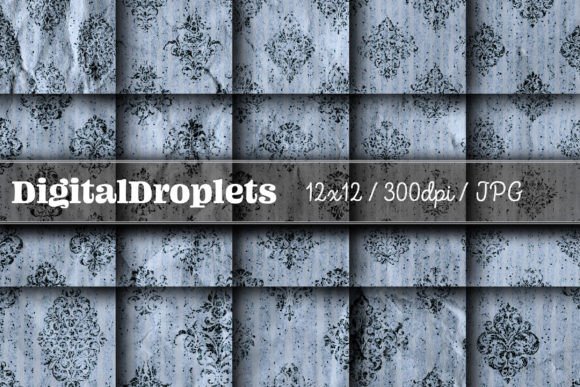
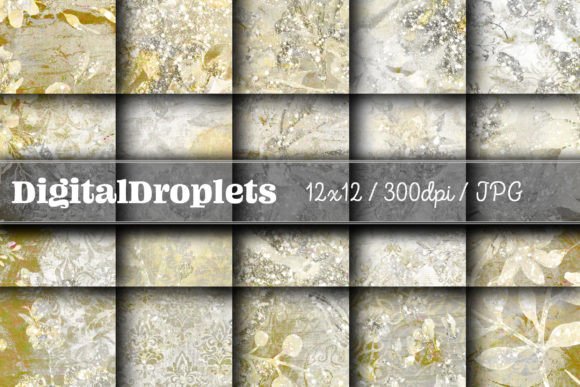
Infusing a project with authentic, layered texture is a powerful way to capture attention and evoke emotion. The Vintage Petals Vol. 23 | 20 Papers 12x12 collection offers a sophisticated solution for designers and creators seeking to blend timeless elegance with contemporary digital design. This set provides 20 high-resolution, 12x12 inch papers, each featuring a unique floral pattern meticulously overlaid on a vintage base. The subtle damask texture woven into each page, combined with integrated glitter accents on the floral shapes, creates a multi-dimensional asset that adds instant depth and visual interest to any creative workflow.
A Foundation for Authentic Brand Identity
In visual design, consistency and authenticity are paramount. This collection serves as a powerful tool for building a cohesive brand identity, particularly for businesses in the lifestyle, wedding, artisan, or boutique sectors. The vintage aesthetic communicates a sense of heritage, craftsmanship, and attention to detail. Using these papers as backgrounds for logos, business cards, or brand mood boards can instantly establish a warm, nostalgic, and trustworthy tone. The subtle damask pattern ensures sophistication, while the varied floral designs allow for creative flexibility across different brand touchpoints without sacrificing visual unity.
Practical Applications Across Design Disciplines
The versatility of the Vintage Petals Vol. 23 | Collection 12×12 Paper Set makes it a valuable asset for numerous projects. Its high-resolution 300dpi files ensure professional results for both digital and print applications.
- Editorial and Packaging Design: Use these papers as backgrounds for magazine layouts, lookbooks, or product packaging to create a handcrafted, boutique feel. The layered texture adds a tactile quality that enhances the perceived value of the final product.
- Digital Marketing and Social Media: Create engaging social media graphics, blog headers, or email newsletter designs. The intricate details provide a rich backdrop that helps text and call-to-action elements stand out, improving visual hierarchy and user engagement.
- Web and UI Design: Strategically apply these textures to website banners, hero images, or planner backgrounds to break up flat digital layouts. They can add a touch of personality to a user interface, making the experience more memorable without compromising readability.
- Physical Creative Projects: Beyond digital use, the papers are perfect for print design projects like invitations, scrapbooking, junk journals, washi tape strips, and custom gift wrap, offering endless possibilities for tangible creative expression.
Integrating Texture into Your Design Workflow
Effective use of textured assets like this requires a thoughtful approach to visual hierarchy and composition. When incorporating these papers, consider the following to ensure a polished result:
- Balance is Key: Pair the ornate vintage textures with clean, modern typography. A simple sans-serif font can provide a striking contrast that improves readability and gives the design a contemporary edge.
- Strategic Color Palette: The papers feature a muted, vintage color palette. Use this as a foundation and select accent colors from within the patterns for headlines or graphic elements to create a harmonious and intentional color scheme.
- Focus on Scalability: As high-resolution JPEGs, these assets are scalable for various formats. Use them full-bleed for impact, or as subtle, tiled patterns or cropped sections for more understated texture in backgrounds.
Ultimately, the strength of a design lies in its ability to communicate a message with clarity and style. Thoughtfully selected creative assets like the Vintage Petals Vol. 23 papers provide a robust foundation for projects that require depth, character, and a professional finish. By leveraging such high-quality resources, designers can streamline their workflow, ensure visual consistency, and produce work that resonates deeply with its intended audience, transforming standard layouts into compelling visual narratives.