Editable Glucose Monitor Planner: A Designer's Asset
For designers and creators, the intersection of health, wellness, and functional design presents a unique and valuable niche. The Editable Glucose Monitor - KDP Interior is more than just a planner; it's a meticulously crafted template that serves as a powerful case study in user-centric graphic design and practical visual communication. Whether you are designing for a client in the healthcare space, creating your own digital products, or building a brand around wellness, this asset demonstrates how thoughtful design directly enhances user engagement and brand perception.
The Anatomy of Effective Functional Design
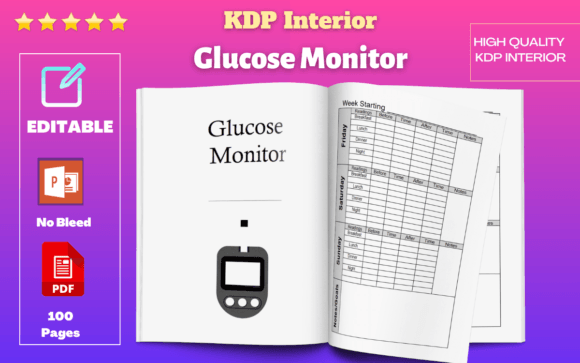
At its core, this glucose monitor planner excels in several key areas of visual design. The layout prioritizes visual hierarchy, guiding the user's eye from daily dose tracking to weekly goals with clear, intuitive structure. This is a masterclass in UI/UX design principles applied to a printable medium. The clean typography ensures readability—a critical factor for users who may need to log information quickly. Furthermore, the consistent color palette and modern aesthetics transform a clinical necessity into an engaging, almost personal, creative project for the end-user.
From a brand identity perspective, this interior template provides a cohesive system. The design language is professional yet approachable, which is essential for building trust in health-related communications. A designer can study its approach to editorial design—how text, fields, and instructional elements are balanced on a page to create a seamless flow. This isn't just about looking good; it's about creating a tool that is genuinely usable and reduces friction in a critical daily routine.
Practical Applications Beyond the Page
The true value of a high-quality creative asset like this lies in its versatility. While its primary function is as a KDP interior, its design principles are transferable to numerous projects:
- Branding & Marketing Materials: The clean, organized layout is ideal for inspiration when designing client brochures, infographics, or informational pamphlets for clinics, fitness brands, or wellness apps.
- Digital Product Creation: Use it as a template or style guide for creating your own suite of digital planners, trackers, or worksheets sold on platforms like Etsy. The included PowerPoint format is fully editable, allowing for complete customization of branding elements.
- Social Media & Web Design: The visual language—its use of white space, typography, and subtle color accents—can inform the design of social media graphics, website UI elements, or even landing pages for health-focused digital marketing campaigns.
- Packaging & Merchandise: The minimalist and functional aesthetic could easily extend to the packaging design for medical products or wellness merchandise, ensuring brand consistency across all touchpoints.
Tips for Integrating Functional Design Assets
When leveraging assets like the Editable Glucose Monitor planner, keep these design workflow principles in mind:
- Evaluate for Scalability: The "resized vector" and high-resolution details ensure the design elements remain crisp across print and digital formats. Always verify this when sourcing creative assets.
- Focus on Adaptability: A strong asset provides a system, not just a single page. Look for how the typography hierarchy, form fields, and decorative elements can be repurposed while maintaining brand consistency.
- Prioritize User Experience: The ultimate test of any design is its usability. This planner’s success lies in its clarity and ease of use—a principle that should anchor all your creative projects, from web design to packaging design.
In the realm of design, the most impactful work often solves a real-world problem with elegance and efficiency. The Editable Glucose Monitor - KDP Interior stands as a testament to this principle. By choosing and utilizing such thoughtfully designed resources, creators can elevate their work beyond mere decoration, fostering better communication, stronger brand identities, and more meaningful user experiences. Quality design assets are not just tools; they are the building blocks for professional, effective, and human-centered visual storytelling.