This Book Belongs to (Vol.1): A Designer's Guide to Ownership & Branding
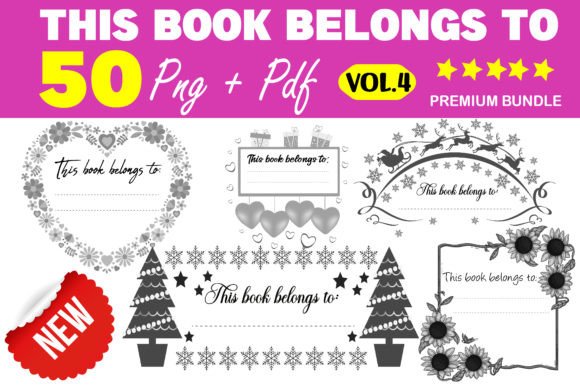
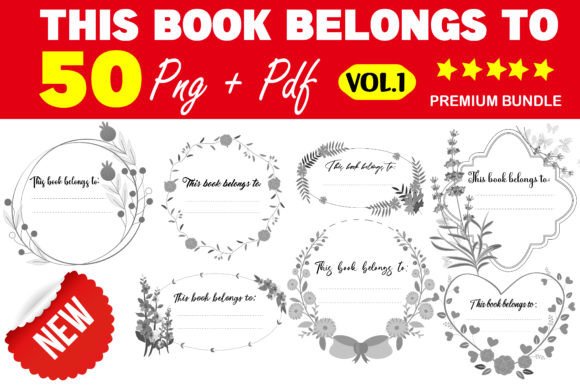
In the realm of low-content publishing and digital product design, the distinction between a generic template and a cherished keepsake often comes down to a single, powerful element: personalization. The phrase "This Book Belongs to" is more than a simple label; it is the cornerstone of user engagement, transforming a blank journal or planner into a personal artifact. The This Book Belongs to (Vol.1) collection offers 50 high-quality PNG and PDF assets specifically engineered to elevate this foundational design element, providing creators on platforms like KDP, Etsy, and Fiverr with a professional toolkit for instant visual impact.
Elevating Brand Identity Through Thoughtful Typography
From a graphic design perspective, the "ownership page" is a critical touchpoint in the user experience. It is the first interior element a customer interacts with, setting the tone for the entire product. A poorly designed or overly simplistic ownership page can undermine perceived value, while a thoughtfully crafted one reinforces quality and care. This collection addresses this by offering a variety of typographic styles and compositions, allowing you to select a design that perfectly aligns with your brand identity. Whether your aesthetic leans toward modern minimalism, vintage elegance, or playful whimsy, consistent use of a signature ownership design across your product line strengthens brand recognition and builds a cohesive visual portfolio.
Practical Applications Across Creative Projects
The utility of these assets extends far beyond the first page of a journal. Understanding their versatility is key to maximizing your design workflow and expanding your creative offerings. Consider integrating these elements into:
- Marketing Materials & Social Media Graphics: Use the ornate borders and typographic flourishes as decorative elements in promotional posts or Etsy shop banners, creating a visual link between your products and your brand.
- Packaging Design & Merchandise: Adapt the designs for book sleeve prints, sticker sheets, or bookmark sets, offering complementary products that enhance the unboxing experience.
- Digital Products & Editorial Layouts: Incorporate the motifs into digital planners, presentation templates, or e-book layouts to add a layer of professional polish and visual hierarchy.
- Web and UI Design: Use subtle patterns or typography snippets as background textures or accent graphics in website headers, ensuring your digital storefront echoes the aesthetic of your physical products.
Integrating Assets with Design Principles
Simply placing a graphic is not enough; effective integration requires an understanding of core design principles. To ensure these assets enhance rather than clutter your work, focus on the following:
- Visual Hierarchy & Readability: The primary function of a "Belongs to" page is clarity. Choose a design where the placeholder text for a name is the most prominent element. Ensure there is sufficient contrast and white space to guide the eye naturally.
- Consistency & Scalability: Select a style from the collection that can be carried through your entire project. Use coordinating elements for chapter headings, page numbers, or section dividers. The provided PNG and PDF formats ensure scalability for both digital screens and high-resolution print, maintaining crisp lines and clean edges.
- Color Palette Harmony: While the assets are designed to be versatile, consider how they interact with your product’s color palette. A monochrome design can offer timeless elegance, while a carefully chosen accent color can make the page pop and align with your broader brand colors.
Ultimately, the tools you choose define the quality of your output and the efficiency of your process. Investing in a curated, high-quality asset library like This Book Belongs to (Vol.1) is not merely a purchase—it is a strategic decision to standardize excellence in your creative business. By applying these designs with intention and an eye for detail, you ensure that every product you deliver communicates professionalism, care, and a distinct brand voice, turning simple pages into meaningful personal spaces for your customers.