Notary Public Log Book Journal: A Designer's Essential Resource
Every professional relies on organized systems to maintain credibility and efficiency, and a well-designed Notary Public Log Book Journal is no exception. For graphic designers and creative professionals, this printable download is more than just a record-keeping tool; it's a masterclass in functional, user-centric design. This resource demonstrates how thoughtful typography, layout, and visual hierarchy can transform a utilitarian object into a seamless part of a professional's workflow, reinforcing brand identity through meticulous attention to detail.
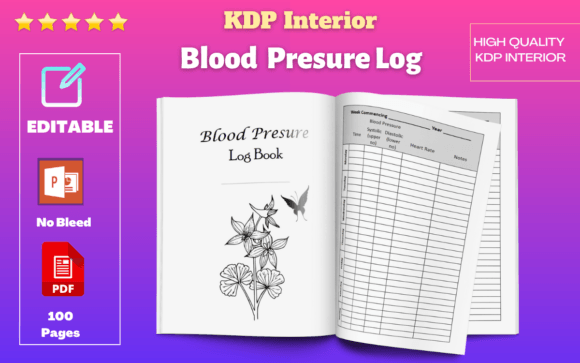
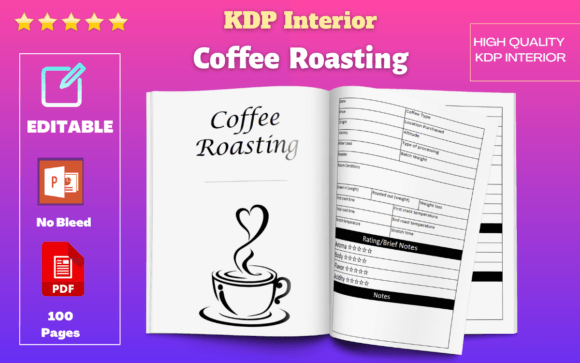
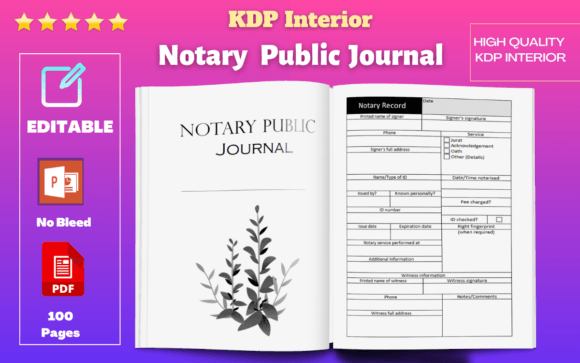
At its core, this notary journal solves a universal design challenge: presenting complex information clearly. Its 100-page layout, sized perfectly at 6" x 9", uses a clean grid and readable typefaces to ensure every entry—from notary public signing agent records to general notary work—is easy to log and reference. This focus on clarity and usability is a fundamental lesson for anyone creating user interfaces, editorial layouts, or any material where information must be accessible. The high-resolution interior and no-bleed design guarantee a professional print result, emphasizing the importance of technical precision in print design.
Practical Applications for Creative Professionals
While its primary function is administrative, the design principles embedded in this logbook offer direct inspiration for numerous creative projects. Its structured approach to data can inform your own work across various mediums.
- Brand Identity & Consistency: The journal’s uniform style creates a cohesive experience. Apply this principle to your own brand systems, ensuring your logo, color palette, and typography work harmoniously across all touchpoints, from business cards to social media graphics.
- Marketing & Social Media Content: The clear visual hierarchy makes scanning quick. Design your marketing materials and social media posts with the same intention, using bold headers, clean fonts, and ample white space to guide the viewer's eye and improve engagement.
- Website & UI Design: The logbook’s user-friendly layout is a direct analog to good UX design. Prioritize intuitive navigation and clear calls-to-action in your web projects, just as the journal prioritizes easy data entry and retrieval.
- Editorial & Packaging Design: The balance of text and space in the journal informs effective editorial layouts. Similarly, its compact yet comprehensive format is a lesson in packaging design, where every square inch must communicate essential information without clutter.
Evaluating and Implementing Design Assets
Choosing the right creative asset, like this Notary Public Log Book Journal, requires a critical eye. When evaluating any design resource—whether a font family, icon set, or template—consider these factors to ensure it enhances your workflow and final output.
- Scalability & Format: The journal’s availability in editable PowerPoint and ready-to-print PDF formats highlights the need for flexibility. Always select assets that are compatible with your software and can be adapted for different sizes or mediums without losing quality.
- Visual Hierarchy & Readability: Assess how the asset guides the user. Strong typography and a logical structure, as seen in this logbook, are non-negotiable for creating professional presentations, advertising campaigns, or digital products that communicate effectively.
- Compatibility with Brand Systems: A great asset should integrate smoothly with your existing color palette and visual style. Look for resources that offer customization options to maintain brand consistency across all your creative projects.
In a landscape saturated with content, the tools that define your process matter. A resource like the Notary Public Log Book Journal stands out by marrying practical function with clean, modern aesthetics. It reminds us that powerful design isn't just about beauty; it's about creating systems that work. By investing in high-quality, thoughtfully designed assets, you streamline your operations, present a polished professional image, and ultimately free up creative energy to focus on what you do best—designing impactful visual communication.